

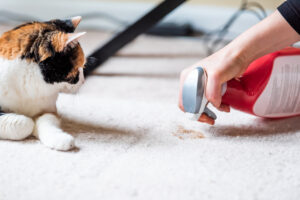
 Tenants with pets may be gone, but pet odors can linger in the rental property. Attracting new tenants can be difficult when these odors are present, particularly tenants who are sensitive to smells or who don’t have pets. It can be especially challenging to remove pet odors when a tenant lived in the property for a long time or left behind a significant pet-related mess. These general tips will help you restore your rental property and remove pet odors effectively.
The Quick Science Behind Pet Odors
Rental properties that allow pets commonly deal with pet odors. These odors come from volatile organic compounds (VOCs) that bacteria in pet urine or feces break down. Clean carpets, upholstery, and hard surfaces on a regular basis to help keep these odors under control. Enzymatic cleaners work especially well at breaking down substances that cause odors. Help prevent persistent odors by clearly communicating expectations to tenants and cleaning regularly.
Methods for Removing Pet Odors from Your Rental Property
Cleaning products used on carpets, upholstery, and hard surfaces should be safe for people and pets. Regular cleaning and maintenance are essential to prevent pet odors from becoming a persistent issue.
- Pet odors are effectively removed by enzymatic cleaners, where enzymes break down the bacteria that cause the odors. These cleaners are suitable for hard surfaces, upholstery, and carpets, and can also help with stains left behind by pet urine or feces. Enzymatic cleaners may cost more than other products, yet their effectiveness often makes them well worth the investment.
- Household staples like baking soda and vinegar can help eliminate pet odors. Baking soda naturally absorbs odors, so sprinkle some on carpets and upholstery, let it rest for several hours, and then vacuum it up. Hard surfaces can be treated with a water-and-vinegar spray, a natural disinfectant that helps neutralize odors.
- Another natural odor absorber, activated charcoal, can help remove persistent smells. Set out bowls of it around the property to help absorb odors, and position them carefully to avoid spills or messes during cleanup.
- By filtering out allergens and pet dander, air purifiers can be an effective way to remove pet odors. On the other hand, they require regular maintenance and may involve a higher initial investment.
Keeping Your Rental Property Odor-Free
Preventing pet odors from developing in the first place is the way to keep rental properties odor-free. Routine cleaning and maintenance can prevent pet odors from becoming a problem. To stop pet odors before they start, think about the following:
- Establish clear guidelines for pet tenants. Make sure tenants understand that they are responsible for keeping the property clean and odor-free. Encourage the use of odor-control products and regular cleanup after pets, indoors and outdoors alike.
- Regular cleaning and maintenance: Routine upkeep can stop pet odors from becoming a problem. To prevent pet odors from building up, clean hard surfaces, carpets, and upholstery on a regular basis. Choose cleaning supplies that are safe for people and pets.
- Air purifiers: Putting purifiers in common areas, or throughout the rental property, can lower pet odors and capture allergens such as pet dander.
- Set pet limits: Make odors and property damage less likely by capping how many pets, and how big, you allow in your rental properties.
A rental property’s appeal can suffer, and tenants’ health can be affected, by pet odors. Owners and managers of rental properties should put effective odor removal strategies to work, including air purifiers, baking soda, vinegar, enzymatic cleaners, and activated charcoal. Preventative measures, including clear guidelines for pet tenants, regular cleaning, and reasonable pet restrictions, help rental properties stay fresh and attractive to all tenants.
If you need additional support with property management or maintaining rental properties, contact our team at Real Property Management Boise today.
Originally Published on February 9, 2024
This content is provided for general informational and educational purposes only and does not constitute financial, legal, tax, or investment advice. Readers should consult with licensed professionals regarding their specific circumstances.
We are pledged to the letter and spirit of U.S. policy for the achievement of equal housing opportunity throughout the Nation. See Equal Housing Opportunity Statement for more information.
